
Fall sports injury prevention starts before the first practice. Football, soccer, volleyball, and cross country all place sudden, high demands on the body, which raises the risk of ankle sprains, ACL injuries, shin splints, and overuse injuries. Physical therapy helps athletes prepare their bodies for these demands and catch small issues before they turn into season-ending injuries. This guide covers the most common fall sports injuries, why they happen, and how physical therapy keeps athletes on the field.
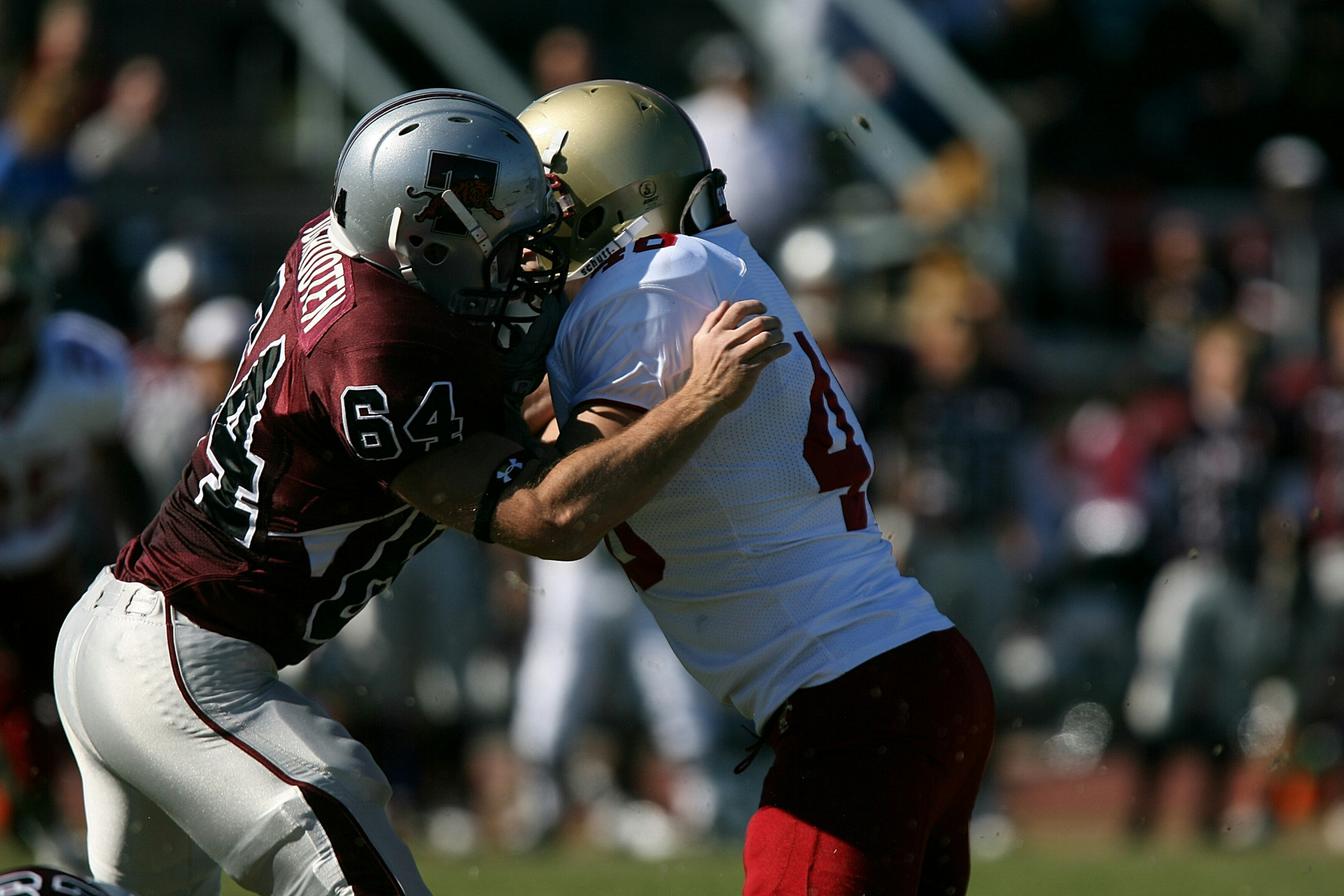
What Causes Fall Sports Injuries?
Fall sports injuries are most often caused by a sudden increase in training load after a less active summer. When the body is asked to handle daily conditioning, sprints, cutting, and contact without proper preparation, the risk of injury rises sharply.
Common risk factors include:
- Returning to sport after a period of lower activity
- Rapid growth spurts in youth and teen athletes
- Inconsistent warm up routines
- Muscle imbalances or unresolved issues from a prior injury
- Playing through fatigue late in practices or games
The Most Common Fall Sports Injuries
Ankle Sprains
Sports with quick direction changes, like soccer and football, put athletes at high risk for ankle sprains. Weak stabilizing muscles, prior history of ankle injury, and poor balance are factors that increase the chance of rolling an ankle.
ACL and Knee Injuries
Cutting, pivoting, and jumping sports place significant stress on the knee. ACL injuries are a serious concern in soccer, football, and volleyball, especially among young female athletes.
Shin Splints and Stress Injuries
Cross country runners and athletes doing repetitive running drills and high mileage running often develop shin splints from a rapid increase in mileage or running on hard surfaces.
Shoulder and Overuse Injuries Shoulder and Overuse Injuries
Volleyball players and quarterbacks rely on repetitive overhead motion, which can lead to rotator cuff strain and shoulder irritation over the course of a season.
Concussions
Contact sports like football carry a real risk of concussion. Recognizing symptoms early and following a proper return to play protocol is critical for long term brain health.
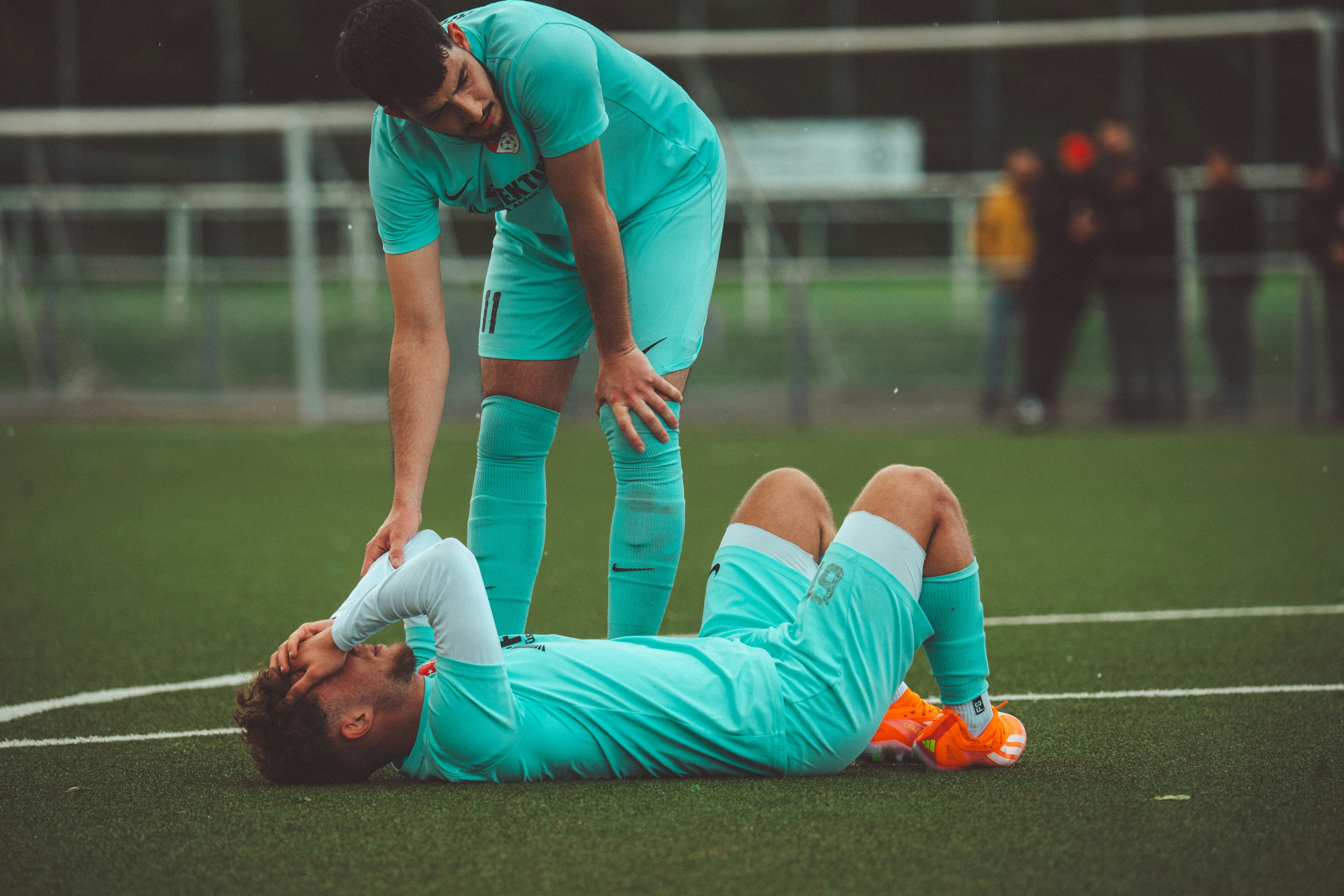
How Physical Therapy Prevents Fall Sports Injuries
Physical therapy prevents fall sports injuries through movement screening, targeted strength work, and guided training loads. Here is how each piece fits together.
Movement Screens Movement Screens
A physical therapist can assess an athlete's strength, flexibility, and movement patterns before the season starts. This identifies weaknesses or imbalances that raise injury risk, so athletes can address them early.
Sport Specific Strength and Conditioning
Targeted strength training for the hips, core, and legs improves stability and helps the body absorb the forces of cutting, jumping, and contact.
Dynamic Warm-Up Programs
Structured warm-ups that include mobility work and activation exercises prepare muscles for practice and reduce the chance of strains and sprains.
Load Management Guidance
Physical therapists help coaches and parents understand safe increases in training volume, which lowers the risk of overuse injuries like shin splints and tendinitis.
Early Intervention
Catching a minor ache or "tweak" early, before it becomes a full injury, keeps athletes on the field and shortens recovery time if an injury does happen.
When Should an Athlete See a Physical Therapist?
An athlete should see a physical therapist if pain lasts more than a few days, if there is swelling around a joint, or if a previous injury has not fully healed or been addressed. Do not wait for pain to become severe. Schedule an evaluation if you notice:
- Pain that lingers after practice or games
- Swelling around a joint
- Reduced range of motion
- A previous injury that has not fully healed
- Ongoing fatigue or soreness that does not improve with rest

Frequently Asked Questions
What is the most common fall sports injury?
Ankle sprains and ACL injuries are among the most common fall sports injuries, especially in soccer, football, and volleyball, due to the cutting and pivoting movements these sports require.
Can physical therapy prevent sports injuries before they happen?
Yes. Physical therapy can prevent sports injuries through pre-season movement screens, targeted strength training, and guided increases in training load that address weaknesses before they lead to injury.
How soon should an athlete start physical therapy after an injury?
Athletes should start physical therapy as soon as possible after an injury, since early treatment shortens recovery time and helps prevent the injury from becoming chronic.
Get Ahead of Fall Sports Injuries
Fall sports place real demands on the body, but many of the most common injuries are preventable with the right preparation. ProMotion's team works with athletes across South Carolina to build stronger, more resilient bodies before injuries happen.
Learn more about Sports Medicine from ProMotion → Sports Medicine.
Ready to get your athlete ready for the season? Schedule an appointment today!
By Matt Ferguson, PT, DPT, and Jasmin Jahr
Back
- Recent Articles
- Leaking When You Run, Jump, or Lift? How Pelvic Floor Physical Therapy Treats Stress Incontinence
- Women’s Health Physical Therapy: What It Treats and What It’s For
- Hip and Knee Pain: Causes, Relief, and When to See a Physical Therapist
- From Rehearsal to the Stage: Why Dancers Need a Gradual Return to a Full Schedule Each Season
- How Physical Therapy Restores Balance, Stability, Strength, and Community Mobility