
You're two miles into a morning run. Or you're on your third set of box jumps, or bracing for a heavy squat. Then you feel it: a small leak you didn't ask for.
Maybe you've started wearing a liner to every workout. Maybe you skip the jump rope, plan your running route around bathrooms, or pass on the trampoline park with your kids. If any of that sounds familiar, you're far from alone.
This kind of leaking has a name: stress urinary incontinence. It's the most common type of incontinence in younger women, and research shows it's especially common in women who do high-impact exercise. But common isn't the same as normal. Stress incontinence is a treatable muscle and pressure problem, and pelvic floor physical therapy is the first-line treatment that clinical guidelines recommend.
We put this guide together because so many women assume leaking during exercise is just something to live with. Often no one has explained what's actually happening, or that there's a proven way to treat it. Whether you're training for a race, getting back into the gym after having kids, or noticing changes as you head toward menopause, you deserve a straight answer and a clear path forward.
Quick Answer: What Is Stress Incontinence, and How Is It Treated?
Stress incontinence is urine leakage that happens when pressure inside your abdomen pushes on your bladder harder than your pelvic floor can hold back. Running, jumping, lifting, coughing, sneezing, and laughing are common triggers.
- It's common after pregnancy and childbirth, around menopause, and in women who do high-impact exercise.
- Supervised pelvic floor muscle training is the recommended first-line treatment.
- In a Cochrane review, women with stress incontinence who did pelvic floor muscle training were about eight times more likely to report being cured than women who had no treatment.
- At ProMotion, pelvic floor physical therapy is available at our Columbia clinic with Jill Tyler, PT, DPT.
What Is Stress Incontinence?
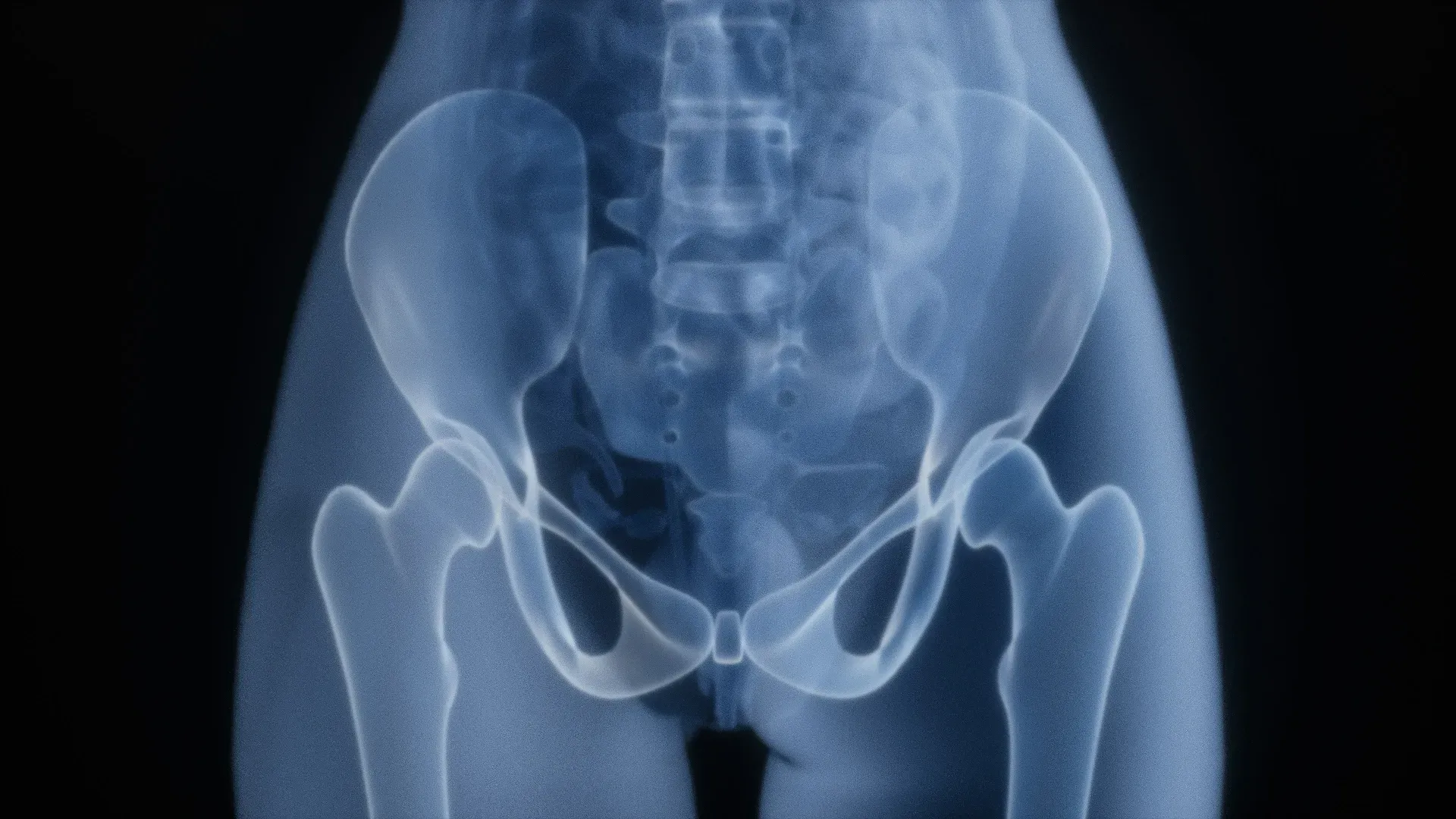
Stress urinary incontinence (often shortened to SUI) is leakage that happens when physical movement puts pressure on your bladder. The word "stress" refers to physical pressure, not emotional stress. The National Institute of Diabetes and Digestive and Kidney Diseases describes it as leakage caused by movement or activity that presses on the bladder.
To understand why it happens, it helps to know what your pelvic floor does. The pelvic floor is a group of muscles that sits like a sling across the bottom of your pelvis. It supports your bladder, uterus, and bowel, and it helps keep your urethra (the tube that carries urine out of your body) closed.
Every time you cough, land from a jump, or brace under a barbell, the pressure inside your abdomen rises. A pelvic floor that's strong, well-timed, and coordinated meets that pressure and keeps the urethra sealed. When the muscles or the tissues around them can't keep up, a little urine escapes.
Common triggers include:
- Running, especially as a run gets longer
- Jumping, jump rope, box jumps, and trampolines
- Heavy lifting, including squats and deadlifts
- Coughing, sneezing, and laughing
- Lifting a child, a heavy laundry basket, or groceries
The amount can range from a few drops to enough to soak through your clothes. Many women notice that leaks show up later in a workout, once they're tired. That pattern is useful information for your physical therapist, because a tired muscle doesn't respond as quickly as a fresh one.
Stress Incontinence vs. Urge Incontinence
Not all bladder leaks are the same, and the difference changes how they're treated.
- Stress incontinence: Leaking happens with pressure or movement, like a cough, a jump, or a lift. There's usually no warning and no strong urge to go first.
- Urge incontinence: You feel a sudden, strong need to urinate and leak before you can get to a bathroom. This is often called overactive bladder.
- Mixed incontinence: You have both.
Many women have some of each. A pelvic floor physical therapist will sort out which type, or which combination, you're dealing with at your first visit and build the plan around it.
Why Active Women Are Prone to Stress Incontinence
Running, jumping, and lifting heavy weights all raise the pressure your pelvic floor has to handle. That's why exercise is often where leaks show up first.
The numbers back this up. A 2018 meta-analysis in the International Urogynecology Journal found a 36% prevalence of urinary incontinence among female athletes across different sports. Athletes in that analysis had a 177% higher risk of urinary incontinence than sedentary women.
That doesn't mean exercise is bad for you or your pelvic floor. It means high-impact training asks more of it. The goal isn't to stop doing what you love. It's to build a pelvic floor that can keep up with it.
Several things can make stress incontinence more likely.
Pregnancy and Childbirth
According to the U.S. Office on Women's Health, as many as 4 in 10 women get urinary incontinence during pregnancy, and problems during labor and delivery, especially vaginal birth, can weaken the pelvic floor muscles.
Leaking after having a baby is common, but it doesn't have to be permanent. Whether your youngest is six months old or sixteen years old, it isn't too late to treat it. If you're still in the early months, our article on physical therapy for postpartum recovery covers what that care can look like.
Perimenopause and Menopause
Hormone changes affect connective tissue and pelvic floor function. The Office on Women's Health notes that researchers think the low estrogen levels that follow menopause may weaken the urethra. Some women who never leaked before notice it for the first time in their 40s or 50s, often right when they've committed to running or strength training for long-term health.
High-Impact Sports and Heavy Lifting
This isn't only a postpartum issue. Research reviews have linked high-impact sports, especially trampolining and gymnastics, with higher rates of stress incontinence in women who have never given birth. Repeated landings, sprinting, and jumping put fast, heavy loads through the pelvic floor.
Breath Holding and Bracing
Many lifters hold their breath and bear down to brace for a heavy rep. That bracing sharply raises the pressure inside your abdomen. If your pelvic floor isn't ready for that spike, it can leak. The fix usually isn't to stop lifting. It's to learn breathing and bracing strategies that work with your pelvic floor instead of against it.
Other Contributing Factors
The NIDDK also lists smoking as a risk factor, because it causes a long-lasting cough, and names excess body weight as a risk factor for bladder control problems. Your physical therapist will look at the whole picture, not just the muscles.
Common Isn't the Same as Normal
According to the NIDDK, about half of all women experience urinary incontinence. Because it's so common, many women decide leaking is just part of being a mom, getting older, or training hard. The Office on Women's Health is clear on this point: urinary incontinence is not a normal part of aging, and it can be treated.
Leaking also tends to change what women are willing to do. Many quietly drop the workouts they used to love, swap heavy lifting for lighter weights, buy darker leggings, or stop running altogether. Treating the leak is often what brings those activities back.
If you've been told to "just do your Kegels," keep reading.
Why Kegels Alone Often Fall Short
Kegels, or pelvic floor contractions, are a real part of treatment. The problem is usually how they're taught: a quick verbal tip, a handout, or an app, with nobody checking whether you're doing them correctly.
In a well-known study in the American Journal of Obstetrics and Gynecology, researchers gave women brief verbal instructions on how to do a Kegel and then measured the result. Only 49% performed an ideal contraction. Another 25% used a technique that could actually promote leakage, such as bearing down instead of lifting.
Even when the squeeze is correct, a basic Kegel routine may not cover what an active woman needs. Depending on what's driving your leaks, you may also need:
| What you may need | What it means |
|---|---|
| Timing | Contracting the pelvic floor just before and during the moment pressure spikes, like a cough, a landing, or a lift |
| Endurance | Holding up through a long run, not just for ten seconds on the couch |
| Speed | Quick, strong contractions for impact, like jumping and sprinting |
| Relaxation | Some women leak because the pelvic floor is tense and overworked, not weak, and more squeezing can make that worse |
| Pressure management | Breathing and bracing strategies that keep abdominal pressure from overwhelming the system |
| Whole-body strength | Hip, glute, and core strength that helps share the load |
This is why guidelines call for supervised training rather than a handout. The United Kingdom's National Institute for Health and Care Excellence (NICE) recommends a trial of supervised pelvic floor muscle training lasting at least three months as the first-line treatment for women with stress or mixed incontinence.
What the Research Says About Pelvic Floor Muscle Training
The strongest evidence comes from a 2018 Cochrane systematic review of randomized trials. Compared with no treatment, women with stress incontinence who did pelvic floor muscle training were:
- About eight times more likely to report being cured (56% compared with 6%)
- About six times more likely to report being cured or improved (74% compared with 11%)
The review's authors concluded that pelvic floor muscle training can cure or improve symptoms of stress incontinence. The American Urological Association's guideline on stress incontinence also lists pelvic floor muscle training among the non-surgical options clinicians may offer.
Results vary from person to person, and they depend on what's causing your leaks and how long you've had them. Your physical therapist will give you a realistic estimate at your evaluation rather than an open-ended plan.
What to Expect From Pelvic Floor Physical Therapy at ProMotion
Physical therapy for incontinence can feel like a mystery before your first visit, so here's how it works at ProMotion. Our care follows five steps: Connect, Evaluate, Plan, Progress, and Prove.
Connect
Call our Columbia clinic at (803) 233-1366 or make an appointment online. South Carolina law lets you start physical therapy without a physician referral. To continue care after 30 days, you'll need a referral from a physician. Medicare and Medicaid require a physician to sign off on your care, and some commercial plans require a referral. We verify your benefits before your first visit.
Evaluate
Your first visit starts with a conversation. We'll ask when you leak, how often, what you've already tried, and what you want to get back to. Nothing happens without your consent, and nothing happens before you understand why.
You'll work one-on-one with your physical therapist in a private treatment room for the whole appointment. Your physical therapist will look at how you breathe, move, and brace, and check hip and core strength. Many women are surprised by how much of pelvic health work involves breathing, posture, hip strength, and how you manage pressure through your abdomen.
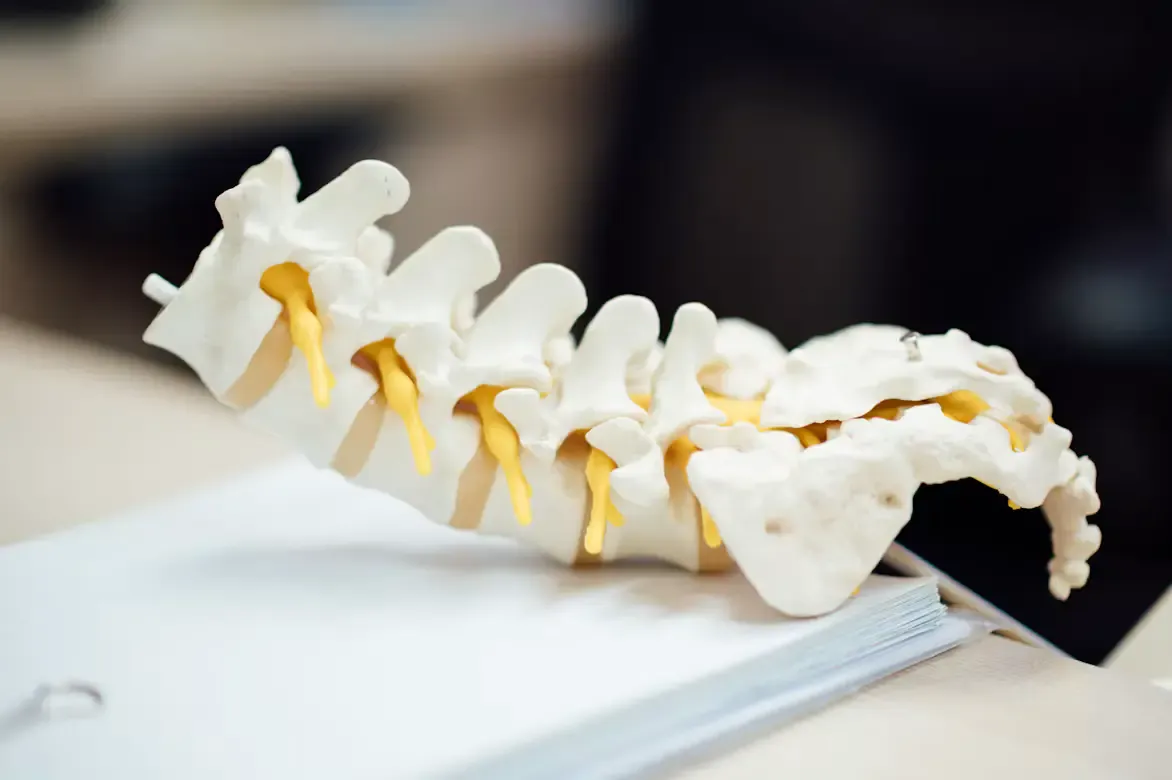
An internal pelvic exam is one assessment tool, not a requirement. It's discussed with you first, it's always your choice, and treatment can go ahead without it.
Plan
You'll leave your evaluation with a clear explanation of what's driving your leaks and a plan tied to your goals. That goal might be a half marathon, a heavier deadlift, a full exercise class, or chasing your kids without thinking twice. Our clinicians build each plan for the person in front of them, not from a template.
Progress
Treatment is hands-on and active. Depending on what your evaluation finds, your plan may include:
- Pelvic floor muscle training, with coaching and feedback so you know you're doing it right
- Timing and coordination work for coughs, landings, and lifts
- Breathing and pressure management for running and lifting
- Strength training for the hips, glutes, and core
- Manual therapy for tight or tender tissues
- A gradual return to running, jumping, or heavy lifting
- A home program to build on your progress between visits
At ProMotion, we believe movement is medicine. Our Columbia clinic also has a personal trainer on site, so your strength work can continue after therapy ends with someone who can talk directly with the physical therapist who treated you.
Prove
We measure progress against the goals you set at your first visit, like fewer leaks, fewer pads or liners, or finishing a full workout without a bathroom plan. Then we ask for your honest feedback.
Safe Stress Incontinence Exercises to Start at Home
These breathing and pressure strategies are safe for most women to try on their own. They aren't a substitute for an evaluation, and if anything causes pain, stop and get checked.
- Exhale on effort. Breathe out as you lift, push, or stand up instead of holding your breath. Pelvic health physical therapists often teach this as "blow before you go."
- Try "the Knack." Gently lift your pelvic floor just before a cough, sneeze, or lift, and hold it through the effort. A University of Michigan study found that this well-timed pre-contraction reduced cough-related leakage in a group of women with mild stress incontinence.
- Practice a relaxed breath. Lie on your back with your knees bent. As you breathe in, let your belly and ribs expand and picture your pelvic floor gently lowering. As you breathe out, let it gently lift. A few minutes a day is plenty.
- Don't practice by stopping your urine stream. The NIDDK advises against doing pelvic floor exercises while you urinate.
- Keep training, but adjust. If leaks show up late in your runs, try shorter runs and build back up gradually. If heavy lifts trigger leaks, lower the weight a little and focus on breathing out through the hardest part of the rep. Our guidelines for pain free running explain how to build volume gradually.
If you've tried these for several weeks with little change, or you aren't sure you're contracting the right muscles, it's a good time for an evaluation.
When to See a Pelvic Floor Physical Therapist
Consider scheduling an evaluation if you:
- Leak during exercise, or when you cough, sneeze, or laugh
- Wear a pad or liner for workouts "just in case"
- Have changed or stopped an activity because of leaking
- Started leaking during pregnancy or after giving birth, no matter how long ago
- Noticed new leaking during perimenopause or menopause
- Feel heaviness, pressure, or bulging in your pelvis
- Aren't sure whether you're doing Kegels correctly

When to Call Your Doctor First
Some symptoms need a physician's attention before or alongside physical therapy. Contact your doctor if you see blood in your urine, have pain or burning when you urinate or other signs of a bladder infection, or have trouble passing urine.
Get emergency care right away if you suddenly lose bladder or bowel control along with numbness in your groin or inner thighs, or new weakness in your legs.
If anything in your evaluation points beyond the pelvic floor, your physical therapist will guide you to the right provider.
Other Treatment Options Your Doctor May Discuss
Physical therapy isn't the only treatment for stress incontinence, and it can work alongside other care. According to the NIDDK and the Office on Women's Health, other options include:
- A pessary, a soft device inserted into the vagina that supports the urethra
- Vaginal estrogen creams, rings, or patches for some women
- Bulking agents, injected to thicken the area around the urethra
- Surgery, most often a sling procedure
The Office on Women's Health notes that surgery isn't recommended for women who plan to get pregnant in the future. Your physician, OB/GYN, or urogynecologist can talk through which options fit your situation.
Pelvic Floor Physical Therapy in Columbia, SC
Women's health and pelvic floor physical therapy at ProMotion is based at our Columbia clinic at 4420 Rosewood Drive, serving Columbia, Forest Acres, Cayce, and West Columbia.
Jillian "Jill" Tyler, PT, DPT has advanced training in pelvic health and treats incontinence, pelvic pain, postpartum recovery, and pelvic floor dysfunction. She brings nearly 10 years of clinical experience and a patient-centered approach built on education and listening. You'll be heard, not hurried.
Columbia is the only ProMotion clinic that offers pelvic floor physical therapy. If you're closer to our Camden, Florence, Lake City, or Spartanburg clinics, call and we'll help you work out the best option. If knee, hip, or foot pain is also slowing your training, our running and endurance team treats runners at all five clinics.
Insurance: Pelvic floor physical therapy is often billed and covered like any other physical therapy. We accept Medicare Part B, South Carolina Medicaid, and most commercial plans, and we verify your benefits before your first visit. See our Insurance and Prices page for self-pay options.
Columbia clinic hours: Monday through Thursday, 8 a.m. to 6 p.m., and Friday, 8 a.m. to 12 p.m.
Want the bigger picture first? Read Women's Health Physical Therapy: What It Treats and What It's For or learn why pelvic floor health matters at every age.
Ready to Stop Planning Your Workouts Around Leaks?
Leaking when you run, jump, or lift is common, and it's treatable. Our Columbia team can find what's driving it and build a plan that keeps you active.
Frequently Asked Questions
Can pelvic floor physical therapy cure stress incontinence?
For many women, yes. In a 2018 Cochrane review, women with stress incontinence who did pelvic floor muscle training were about eight times more likely to report being cured than women who had no treatment, and about six times more likely to report being cured or improved. Results vary by person, and your physical therapist will give you a realistic estimate at your evaluation.
How long does pelvic floor physical therapy take to work?
It depends on what's causing your leaks and how long you've had them. Clinical guidelines from NICE recommend a trial of supervised pelvic floor muscle training lasting at least three months. Your physical therapist will set expectations at your first visit and track your progress against your goals.
Is it normal to pee a little when you run?
It's common, but it isn't normal. Peeing when running is a sign that your pelvic floor isn't keeping up with the pressure and impact of each stride. It's treatable, and many women can keep running while they work on it, with guidance from their physical therapist.
Why do I leak when I lift weights?
Heavy lifting raises the pressure inside your abdomen, especially if you hold your breath and bear down to brace. If your pelvic floor can't match that pressure, urine leaks. Breathing strategies, pelvic floor training, and smart load progression can help.
Do I need a referral for pelvic floor physical therapy in South Carolina?
South Carolina law lets you start physical therapy without a physician referral. To continue care after 30 days, you'll need a referral from a physician. Medicare and Medicaid require a physician to sign off on your care, and some commercial plans require a referral. We verify your benefits before your first visit.
Is an internal exam required?
No. An internal exam is one assessment option. It's discussed with you first, it's always your choice, and treatment can proceed without it.
Does insurance cover pelvic floor physical therapy?
Pelvic floor physical therapy is often billed and covered like any other physical therapy. ProMotion accepts Medicare Part B, South Carolina Medicaid, and most commercial plans, and we verify your benefits before your first visit.
Can I keep exercising during treatment?
Often, yes. Many women keep running and lifting with some changes to volume, load, or breathing while they work on their pelvic floor. Your physical therapist will make that call with you based on your symptoms and goals.
Do you treat women who have never been pregnant?
Yes. Stress incontinence and other pelvic floor problems affect women at every stage of life, including women who have never been pregnant.
References and Resources
- Dumoulin C, Cacciari LP, Hay-Smith EJC. Pelvic floor muscle training versus no treatment, or inactive control treatments, for urinary incontinence in women. Cochrane Database of Systematic Reviews, 2018.
- Teixeira RV, Colla C, Sbruzzi G, et al. Prevalence of urinary incontinence in female athletes: a systematic review with meta-analysis. International Urogynecology Journal, 2018.
- Bump RC, Hurt WG, Fantl JA, Wyman JF. Assessment of Kegel pelvic muscle exercise performance after brief verbal instruction. American Journal of Obstetrics and Gynecology, 1991.
- Higounenc A, Carvalhais A, Vieira Á, Lopes S. Urinary Incontinence in Young Gymnastics Athletes: A Scoping Review. Sports (Basel), 2025.
- Miller JM, Ashton-Miller JA, DeLancey JO. A pelvic muscle precontraction can reduce cough-related urine loss in selected women with mild SUI. Journal of the American Geriatrics Society, 1998.
- National Institute for Health and Care Excellence. Urinary incontinence and pelvic organ prolapse in women: management (NG123).
- National Institute of Diabetes and Digestive and Kidney Diseases. Bladder Control Problems (Urinary Incontinence).
- U.S. Office on Women's Health. Urinary incontinence.
Back
- Recent Articles
- Women’s Health Physical Therapy: What It Treats and What It’s For
- Hip and Knee Pain: Causes, Relief, and When to See a Physical Therapist
- From Rehearsal to the Stage: Why Dancers Need a Gradual Return to a Full Schedule Each Season
- Fall Sports Injury Prevention: How to Keep Athletes Strong All Season
- How Physical Therapy Restores Balance, Stability, Strength, and Community Mobility