
August 11th, 2026
Quick Takeaway: How Do You Achieve Pain Free Running?
Pain free running relies on a well-designed running program built around three core rules:
- Prioritize frequency and duration before increasing running speed or intensity.
- Keep 80%+ of your runs at a conversational pace (RPE 2–3 out of 10).
- Use the “Traffic Light Pain Scale” to navigate mild discomfort (0–2 safe, 3–5 acceptable if it settles, >5 stop and modify). Prioritize frequency and duration before increasing running speed or intensity.
Running is one of the most accessible and rewarding sports in the world. Whether you are a recreational jogger enjoying weekend trail runs or a competitive marathoner, running offers incredible flexibility because physical demands can easily be scaled to your current fitness level.
However, staying healthy and achieving pain free running requires more than just picking up a pair of shoes and hitting the pavement. Without a well-planned progression, training volume can quickly overwhelm your tissues and lead to overuse injuries.
At ProMotion, we specialize in physical therapy for runners to help athletes of all levels navigate training, recover from injury, and reach optimal performance.
Below are the core guidelines and guardrails to keep you running strong!
1. Increase Frequency and Duration Before Intensity
When building or returning to a running routine, resist the urge to push speed right away. Tissues (muscles, tendons, and bones) adapt to the volume of stress before they can handle high speeds or high effort.
- Frequency: How often you run (e.g., number of runs per week).
- Duration: How long your runs last (e.g., total minutes per run).
- Intensity: How hard you work (e.g., pace, effort, or incline).
The Golden Rule for Returning to Running
Before adding speed work or hill intervals, ensure you can comfortably run on non-consecutive days at a relaxed, conversational pace. Build your weekly mileage and total minutes first.
2. Master Pacing and Rate of Perceived Exertion (RPE)
To keep your training sustainable, you need an objective way to gauge your daily effort. The Rate of Perceived Exertion (RPE) scale ranges from 0 to 10 and helps you monitor running intensity based on how your body feels.
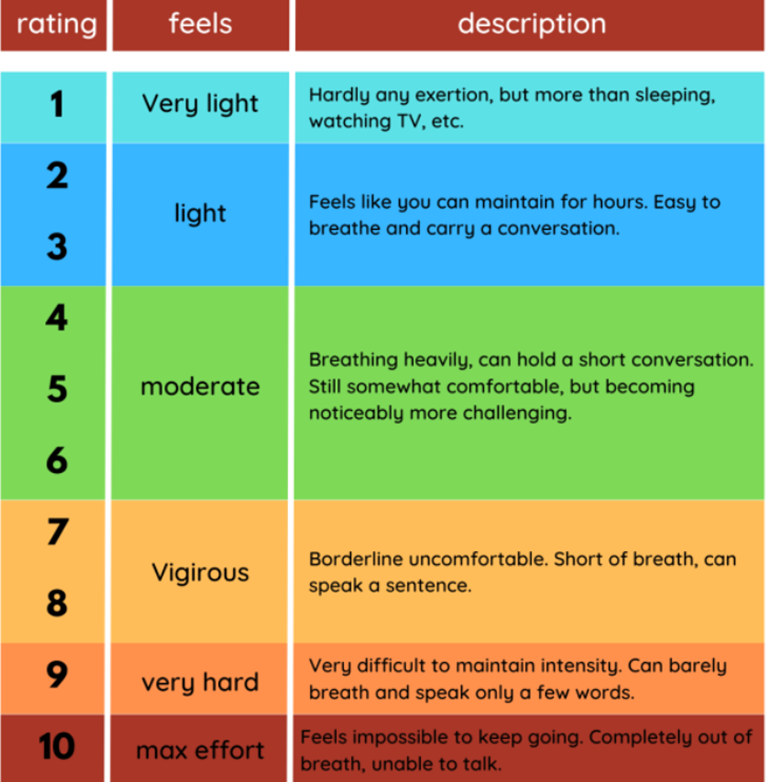
Key Rule: Much of your training should take place at an RPE of 2–3/10. Consistently maintaining this aerobic baseline on non-consecutive days is the foundation of long-term success and injury prevention.
3. Navigate Aches with the Green-Yellow-Red Symptom Scale
Experiencing mild soreness or discomfort isn't automatically a reason to panic. When returning to running after an injury, setting clear guidelines helps you know when to keep going and when to modify. Use this Traffic Light Scale to monitor your symptoms:
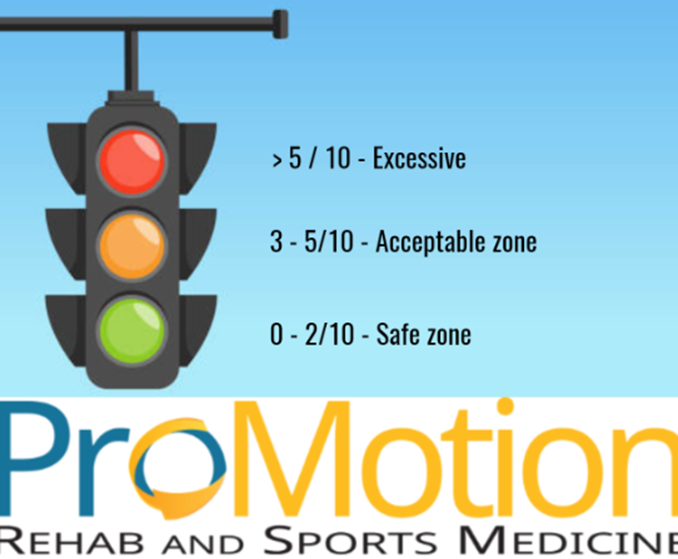
GREEN LIGHT (0–2 / 10 Pain) — SAFE ZONE
- Action: Safe to continue running as planned.
YELLOW LIGHT (3–5 / 10 Pain) — ACCEPTABLE ZONE
- Action: Proceed with caution. You do not need to stop immediately.
- Key Assessment: Does pain stay below a 5/10? Does it return to baseline after? Can you run again in 48 hours? If YES, continue monitoring and incorporate movement 'snacks.'
RED LIGHT (>5 / 10 Pain) — EXCESSIVE ZONE
- Action: Stop or back off.
- Recommendation: Take extra rest, focus on recovery, or substitute running with functional movement drills until symptoms settle.
What are Running Movement "Snacks"? What are Running Movement "Snacks"?
A “snack” movement is a short, functional exercise designed to prepare your body for the biomechanical demands of running. Incorporating snacks like lateral toe taps, step downs, or marching drills can help keep your joints lubricated and muscles warm during recovery phases.
Additional Factors for Sustainable
A complete running program looks at the entire athlete, not just mileage. Don't overlook these essential supporting pillars:
- Nutritional Support & Hydration: Fueling adequately prevents fatigue related mechanics breakdowns.
- Rest & Recovery: Muscle tissue repairs and grows stronger during rest, not during the run itself.
- Proper Footwear: Selecting running shoes suited to your gait and biomechanics reduces unnecessary strain on your feet and lower legs.
Get Expert Physical Therapy for Runners at ProMotion
If a persistent ache or pain is holding you back from enjoying your runs, you don't have to navigate it alone. Specialized physical therapy for runners can help identify the root cause of your pain, optimize your running mechanics, and build a custom strength and loading program tailored to your goals.
At ProMotion our clinical team works with runners of all experience levels, from beginners taking their first steps to veteran marathoners. We aim to keep you moving safely while doing what you love.
Ready to achieve pain free running? Contact ProMotion today to schedule your evaluation and get back on the path to moving, living, and running better!
References & Resources
- RunningSmart — How to Train at the Right Intensity: An Alternative to Heart Rate: https://runningsmart.co.za/how-to-train-at-the-right-intensity-an-alternative-to-heart-rate/
Working through a running injury, or want to prevent one? Learn more about physical therapy for runners and endurance athletes at our five South Carolina clinics.
Back
- Recent Articles
- Women’s Health Physical Therapy: What It Treats and What It’s For
- Hip and Knee Pain: Causes, Relief, and When to See a Physical Therapist
- From Rehearsal to the Stage: Why Dancers Need a Gradual Return to a Full Schedule Each Season
- Fall Sports Injury Prevention: How to Keep Athletes Strong All Season
- How Physical Therapy Restores Balance, Stability, Strength, and Community Mobility