
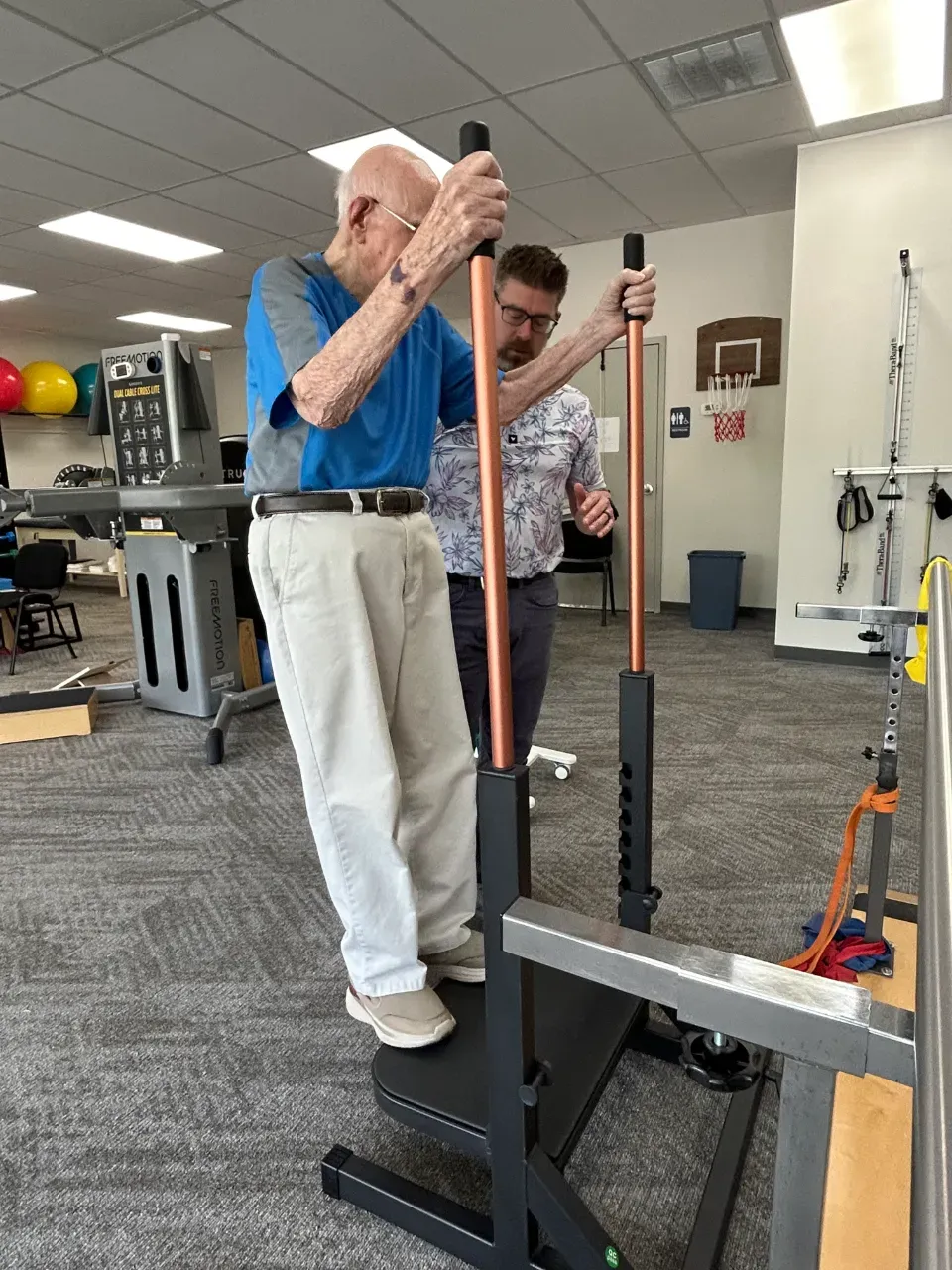
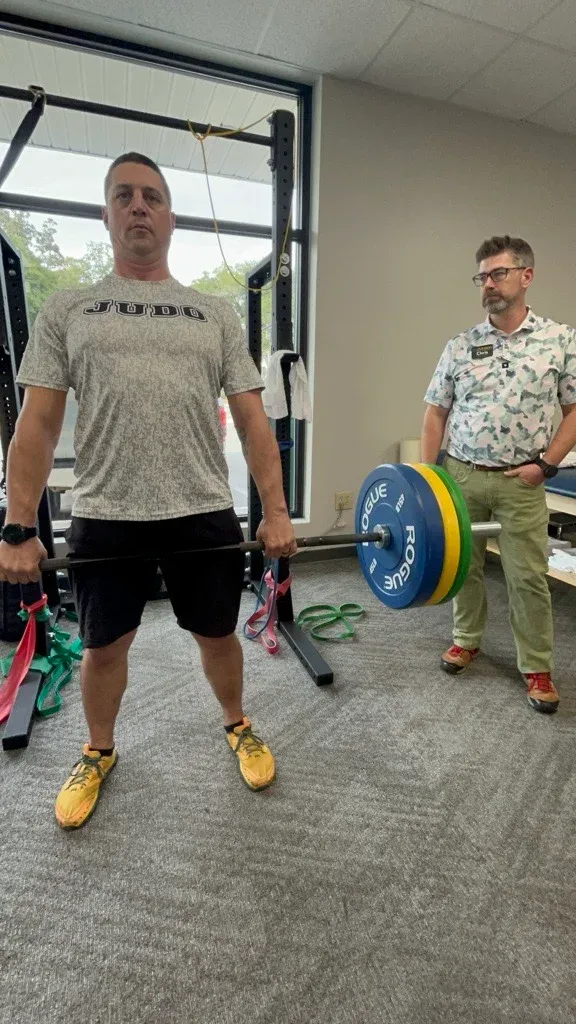
Your knee has ached since that last long run. Or your shoulder has been stiff for weeks, and now it's waking you up at night. You know physical therapy could help. Then the practical questions start. Will my insurance cover it? What will I owe at each visit? Do I need to see my doctor first?
If you've searched "how much does physical therapy cost," you've probably found answers all over the map. That's because the real number depends on your insurance plan, how much of your deductible you've already paid, and how many visits you need.
Here's what often gets missed: cost isn't only about the price of one visit. It's also about when you start. In South Carolina, you can start physical therapy without first seeing a physician, according to the state's Board of Physical Therapy. And for back pain, one large study linked starting physical therapy sooner with lower back-pain-related health care costs.
We put this guide together because insurance, cost, and how long coverage lasts are the questions our front desk hears most often. Below, you'll find what ProMotion charges if you pay on your own, how deductibles, copays, and coinsurance work, what South Carolina's referral rules mean for you, and why the end of the year can be a smart time to start.
Quick Answer: How Much Does Physical Therapy Cost in South Carolina?
It depends on your insurance. With insurance, your cost per visit comes down to your plan's deductible, copay, and coinsurance. If your deductible applies to physical therapy, you pay the plan's allowed amount for each visit until you meet it, then a copay or coinsurance after that. Without insurance, ProMotion's self-pay rate is $120 for an initial evaluation and $120 for each follow-up session.
- ProMotion accepts Medicare Part B, most commercial plans, TRICARE East, and South Carolina workers' compensation, and we verify your benefits before your first visit.
- Medicare Part B helps pay for medically necessary outpatient physical therapy. After you meet the Part B deductible, you pay 20% of the Medicare-approved amount, according to Medicare.gov.
- South Carolina law lets you start physical therapy without a physician referral, though some health plans require one.
- ProMotion has five clinics, in Camden, Columbia, Florence, Lake City, and Spartanburg.
What Affects How Much Physical Therapy Costs?
Two people with the same injury can pay very different amounts for the same care. These are the factors that matter most.
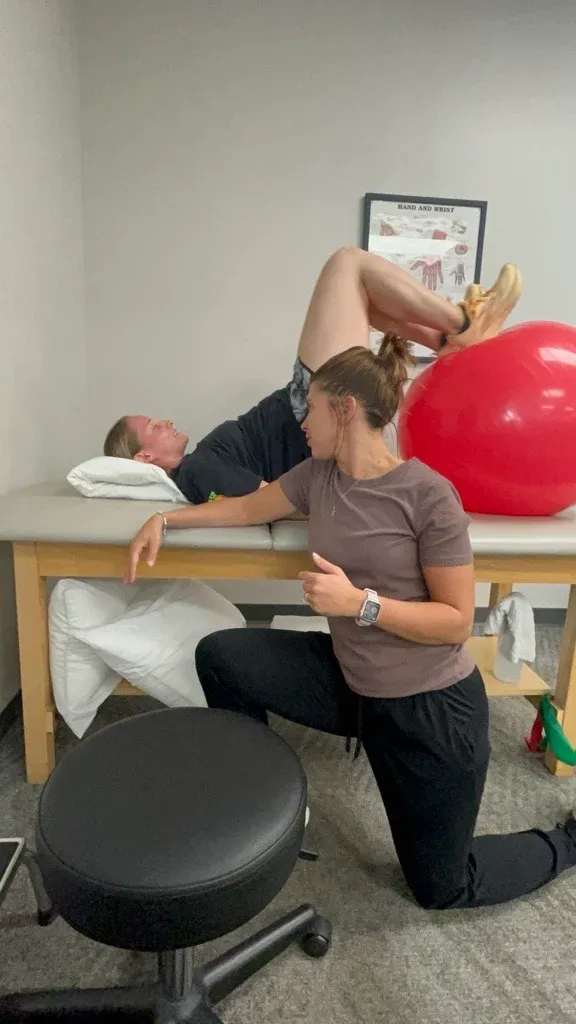
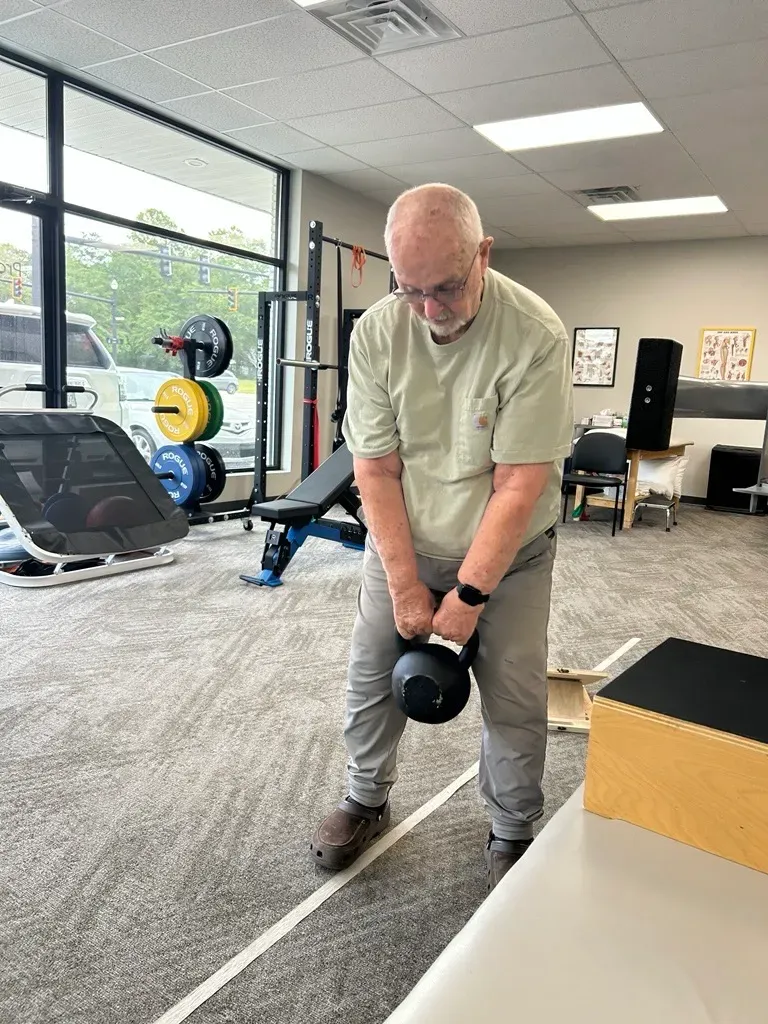
Your Insurance Plan
Your plan sets your deductible, your copay or coinsurance, and your out-of-pocket maximum. It may also limit how many visits it covers each year, or require a referral or approval before you start. We'll walk through each of these below.
How Much of Your Deductible You've Paid
If your plan applies your deductible to physical therapy, you pay the full allowed amount for each covered visit until you meet it. After that, you usually pay only your copay or coinsurance, and your plan pays the rest. Some plans pay for certain services before you've met your deductible, so check your plan details. Either way, the same visit can cost you less later in your plan year once you've met your deductible.
How Many Visits You Need
Your total cost depends on how many visits your plan of care includes. At your first visit, your physical therapist builds that plan and explains how many visits to expect, so you can estimate your total cost early.
When You Start
Timing can matter as much as the price of a single visit. A study in BMC Health Services Research looked at more than 750,000 patients in the U.S. Military Health System who saw a primary care provider for a new episode of lower back pain. Among those who went on to physical therapy, patients who started within 14 days had average back-pain-related health care costs of $1,828 over two years, compared with $3,031 for patients who started between 14 and 90 days.
Those are total back-pain-related health care costs, not what each patient paid out of pocket. The study included adults ages 18 to 60, and because it looked back at existing records, it shows a link rather than proof that starting early caused the lower costs. Still, it's one more reason not to put off care.
Does Insurance Cover Physical Therapy?
Often, yes. Physical therapy is a rehabilitative service, the kind of care that helps you keep, get back, or improve the skills and function you need for daily life after you've been sick, hurt, or disabled. But covered doesn't mean you won't owe anything. Your share comes down to a few terms you'll see on every plan.
| Term | What it means | What it means for your physical therapy visits |
|---|---|---|
| Deductible | The amount you pay for covered care before your plan starts to pay | If it applies to physical therapy, you pay the full allowed amount for each visit until you meet it |
| Copay | A fixed amount, like $20, that you pay for a covered service after you've paid your deductible | You pay a set amount at each visit |
| Coinsurance | A percentage of the cost, like 20%, that you pay after you've paid your deductible | You pay a share of each visit's allowed amount |
| Out-of-pocket maximum | The most you have to pay for covered services in a plan year | Once you reach it, your plan pays 100% of covered in-network care for the rest of the plan year |
Here's how that can play out, using HealthCare.gov's own example.
Say your plan's allowed amount for a visit is $100 and your coinsurance is 20%. If you've met your deductible, you pay $20. If you haven't, you pay the full $100. Your plan's actual amounts will be different, which is why we verify your benefits before your first visit.
How Long Will Insurance Cover Physical Therapy?
It depends on your plan. Some plans set an annual limit, such as a cap on the number of visits covered for a particular service. Once you reach it, you pay the full cost of that service for the rest of the plan year. Some plans also require preauthorization, an approval before certain services. Even then, preauthorization isn't a promise that your plan will pay.
Your insurance company can tell you whether your plan has a visit limit. Before your first visit, we verify your benefits and go over them with you, including whether you'll have a copay, deductible, or coinsurance. Depending on your plan, follow-up visits may need preauthorization.
Medicare
Medicare Part B helps pay for medically necessary outpatient physical therapy. After you meet the Part B deductible, you pay 20% of the Medicare-approved amount. There's also no limit on how much Medicare pays for medically necessary outpatient therapy in a calendar year. Those are Original Medicare's costs. If you have a Medicare Advantage plan, Medicare.gov notes that your out-of-pocket costs can differ and you may need to use providers in your plan's network. ProMotion accepts Medicare Part B and most Medicare Advantage plans, so call us to check yours. If you're on Medicare, we'll explain your coverage and any expected out-of-pocket costs before treatment starts.
TRICARE and Workers' Compensation
We accept TRICARE East (Humana Military) and South Carolina workers' compensation. If you were hurt on the job, we coordinate directly with your employer and case manager.
Commercial Plans
We take most commercial plans, including:
- Cigna / RPN of SC
- Integra Group
- BlueCard / Anthem (out-of-state Blues)
- BCBS Preferred Blue / BlueChoice
- Blue Essentials
- BlueExtend
- Blue VirtuConnect
- Blue Option / Palmetto Option
- BlueExclusive Pee Dee (Florence clinic only)
- InStil Health / InHealth
- Ambetter / Celtic
- Molina Marketplace
- Aetna
Insurance plans change often, so call us with your plan's name and we'll check it for you.
How Much Does Physical Therapy Cost Without Insurance?
No insurance? You can still get expert, hands-on care. You'll find our self-pay rates on our Insurance and Prices page.
| Service | Self-pay rate | What's included |
|---|---|---|
| Physical Therapy Initial Evaluation | $120 | A full assessment by a licensed physical therapist, including your history, a screen for medical concerns, a movement evaluation, and a personalized treatment plan |
| Follow-Up Physical Therapy Sessions | $120 | Continued one-on-one care focused on your personalized rehab plan |
| Pre-Season / Pre-Participation Injury Prevention Screen | $120 | For athletes preparing for a season or training cycle, with a movement screen and a customized plan |
Both the evaluation and follow-up rates include standard physical therapy, such as exercise and hands-on care. Specialty services, like dry needling, may cost extra.
Do I Need a Referral for Physical Therapy in South Carolina?
South Carolina law lets you start physical therapy without a physician referral. To continue care after 30 days, you'll need a referral from a physician. Medicare and Medicaid require a physician to sign off on your care, and some commercial plans require a referral. We verify your benefits before your first visit.
What Is Direct Access Physical Therapy?
Direct access means you can see a physical therapist without first getting a referral from a physician. South Carolina allows it, so unless your health plan requires a referral, you can call us and book an evaluation directly. That can help you start sooner, which matters for the reasons above.
Your health plan can still have its own rules. HealthCare.gov notes that many HMOs require a referral before you see anyone other than your primary care doctor, and the plan may not pay if you skip it. South Carolina's physical therapy law also says it doesn't override insurance contracts that require a prescription from a medical doctor or dentist before they pay for physical therapy. That's why we verify your benefits before your first visit.
You Choose Where You Go
A referral to one physical therapy clinic can be used at any physical therapy clinic, so you can choose where you go for care. Your plan's network and referral rules still apply, which we check when we verify your benefits. If you have a referral or prescription, bring it to your first visit.
Why the End of the Year Can Be a Smart Time to Start Physical Therapy
If you've been putting off care, the calendar may be working in your favor.
You May Have Already Met Your Deductible
If you've met your deductible this plan year, covered visits before your plan year ends may cost you only a copay or coinsurance. And if you've reached your out-of-pocket maximum, your plan pays 100% of covered in-network care for the rest of the plan year. Keep in mind that once your plan year starts over, your new deductible may apply to the visits that follow.
Don't assume your plan year ends December 31.
HealthCare.gov notes that a group health plan's 12-month plan year may not line up with the calendar year. Check your plan documents or ask your employer when yours starts over.
You May Have FSA Money That Expires
A health flexible spending account (FSA) is generally a use-it-or-lose-it plan. According to IRS Publication 969, your employer's plan may give you a grace period of up to two and a half months after the plan year ends, or may let you carry over a limited amount, but it can't offer both. You forfeit any unused money beyond that.
The IRS counts amounts you pay for therapy received as medical treatment as a medical expense in Publication 502. That means physical therapy you receive as medical treatment is generally an eligible expense. Check with your plan administrator to confirm what your plan covers.
HSA Money Generally Carries Over
A health savings account (HSA) works differently. IRS Publication 969 says amounts left at the end of the year are generally carried over to the next year, so there's no year-end rush to spend it.
Every plan works a little differently, so treat this as a starting point rather than advice for your situation. Your plan administrator and insurance company have the final word on your benefits.
What to Expect When You Start Physical Therapy at ProMotion
Knowing what happens next makes it easier to plan your time and your budget. Our care follows five steps: Connect, Evaluate, Plan, Progress, and Prove.
Connect
Call (803) 233-1366 or make an appointment online. Have your insurance card handy when you call so we can verify your benefits before your first visit. For the visit itself, bring your insurance card, a photo ID, and any imaging or surgical reports, plus a referral or prescription if you have one.
Evaluate
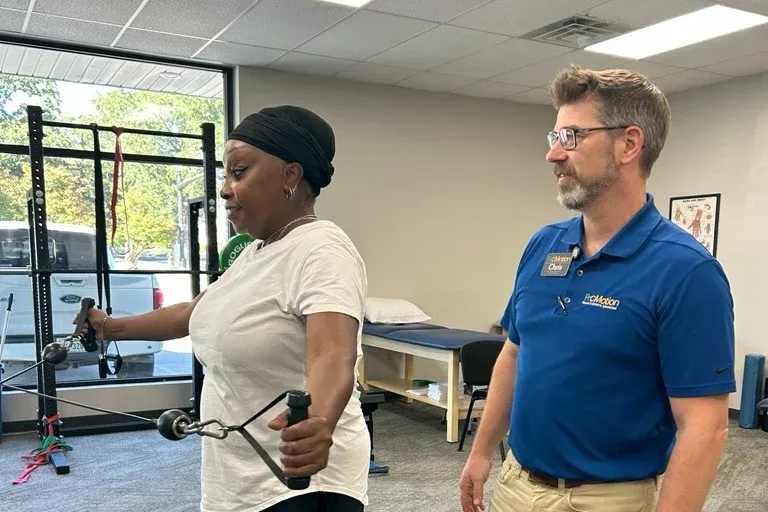
Your first visit starts with a conversation about your history, your symptoms, and what you want to get back to. You'll be heard, not hurried. Your physical therapist will screen for any medical concerns, watch how you move, and test strength, range of motion, and joint mechanics. You'll work closely with a licensed clinician, and treatment starts the same day.
Plan
You'll leave with an explanation of what's driving your symptoms and a plan tied to your goals, including how many visits to expect. Our clinicians build each plan for the person in front of them, not from a template. A clear plan also makes it easier to estimate what your care will cost.
Progress
Treatment is hands-on and active, built around exercise and manual therapy. At ProMotion, we believe movement is medicine. Your physical therapist adjusts your plan as you get stronger.
Prove
We measure your progress against the goals you set at your first visit. Then we ask for your honest feedback.
Questions to Ask Your Insurance Company Before Your First Visit
We verify your benefits before your first visit, but it helps to know your plan yourself. Your plan's Summary of Benefits and Coverage is a good place to start. Then call the member services number on your insurance card and ask:
- Is outpatient physical therapy covered under my plan?
- How much is my deductible, and how much of it have I met?
- Will I pay a copay or coinsurance for each visit, and how much?
- Is there a limit on how many physical therapy visits my plan covers each year?
- Do I need a referral or preauthorization before I start?
- When does my plan year start over?
- What is my out-of-pocket maximum, and how close am I to reaching it?
If you have an FSA or HSA, ask your plan administrator how much is left and when any FSA balance expires.
When to See a Physical Therapist
Consider scheduling an evaluation if you have:
- Pain that hasn't gone away on its own
- Stiffness or limited motion that makes everyday tasks harder
- An injury that keeps coming back
- A surgery you're recovering from
- Balance problems or a recent fall
- An activity, sport, or workout you've had to stop or scale back
When to Call Your Doctor or 911 First
Some symptoms need emergency care, not physical therapy. MedlinePlus advises calling 911 for problems such as:
- An injury to the neck or spine, especially with loss of feeling or inability to move
- A head injury with passing out, fainting, or confusion
- Sudden weakness or drooping on one side of the body
- Severe chest pain or pressure
It also lists a possible broken bone, loss of movement, and severe pain anywhere on the body as reasons to go to an emergency department or call 911. If it isn't an emergency and you're not sure what to do, MedlinePlus suggests calling your health care provider.
For a sprain, strain, or ache that isn't an emergency, the emergency room usually isn't the place to start. MedlinePlus notes that emergency department treatment can cost 2 to 3 times or more than the same care in a provider's office. And if anything during your evaluation points to a problem that needs imaging or a physician's evaluation, your physical therapist will guide you to the right provider.
ProMotion Physical Therapy Clinics in South Carolina
ProMotion has five physical therapy clinics across South Carolina. Call our main number, (803) 233-1366, and we'll connect you with the clinic closest to you.
- Camden: 301 E Dekalb St #B, Camden, SC 29020
- Columbia: 4420 Rosewood Drive, Columbia, SC 29209, serving Columbia, Forest Acres, Cayce, and West Columbia
- Florence: 610 W. Palmetto Street, Florence, SC 29501
- Lake City: 148 Sauls St Suite B, Lake City, SC 29560, serving Lake City and the surrounding Pee Dee communities
- Spartanburg: 958 East Main Street STE B, Spartanburg, SC 29302, serving Spartanburg, Boiling Springs, and Duncan
Looking for a physical therapist who specializes in your condition? Browse our providers by name, location, or specialty.
Insurance: We accept Medicare Part B, most commercial plans, TRICARE East, and South Carolina workers' compensation, and we verify your benefits before your first visit. See our Insurance and Prices page for self-pay rates.
Clinic hours: Monday through Thursday, 8 a.m. to 6 p.m., and Friday, 8 a.m. to 12 p.m., at all five clinics.
New to physical therapy? Read What Is Physical Therapy? A Beginner's Guide for New Patients or Is Physical Therapy Right for Me?
Ready to Find Out What Your Physical Therapy Will Cost?
Call us with your insurance information and we'll verify your benefits before your first visit. No insurance? Our self-pay rate is $120 for an evaluation or a follow-up session.
Frequently Asked Questions
How much does physical therapy cost without insurance?
At ProMotion, the self-pay rate is $120 for an initial evaluation and $120 for each follow-up session. Standard physical therapy, such as exercise and hands-on care, is included. Specialty services, like dry needling, may cost extra.
Does insurance cover physical therapy?
Often, yes. ProMotion accepts Medicare Part B, most commercial plans, TRICARE East, and South Carolina workers' compensation. What you pay depends on your deductible, your copay or coinsurance, and any visit limits in your plan. We verify your benefits before your first visit.
Do I need a referral for physical therapy in South Carolina?
South Carolina law lets you start physical therapy without a physician referral. To continue care after 30 days, you'll need a referral from a physician. Medicare and Medicaid require a physician to sign off on your care, and some commercial plans require a referral. We verify your benefits before your first visit.
What is direct access physical therapy?
Direct access means you can see a physical therapist without first getting a referral from a physician. South Carolina law lets you start physical therapy without a physician referral. Some health plans have their own referral rules, so we verify your benefits before your first visit.
How long will my insurance cover physical therapy?
It depends on your plan. Some plans limit how many visits they cover each year, and some require approval before treatment. Medicare doesn't limit how much it pays for medically necessary outpatient therapy in a calendar year. Your insurance company can tell you whether your plan has a visit limit.
Does Medicare cover physical therapy?
Yes. Medicare Part B helps pay for medically necessary outpatient physical therapy. After you meet the Part B deductible, you pay 20% of the Medicare-approved amount. If you have a Medicare Advantage plan, your out-of-pocket costs can differ. ProMotion accepts Medicare Part B and most Medicare Advantage plans, so call us to check yours.
Can I use my FSA or HSA for physical therapy?
Physical therapy you receive as medical treatment is generally an eligible expense. Check with your plan administrator to confirm what your plan covers. FSA money is generally use-it-or-lose-it, so the end of your plan year is a good time to use what's left. HSA balances generally carry over from year to year.
How soon can I get an appointment?
We strive to offer an initial evaluation within 3 days. Call (803) 233-1366 or make an appointment online, and we'll find the next available time at the clinic that works best for you. Since you can start physical therapy in South Carolina without a physician referral, you often don't need to wait on a doctor's visit first, unless your health plan requires a referral.
Is there a physical therapist who specializes in my condition?
Our providers page lets you browse our providers by name, location, and specialty. When you call, tell us what's going on and we'll help you find the right fit.
References and Resources
- Childs JD, Fritz JM, Wu SS, et al. Implications of early and guideline adherent physical therapy for low back pain on utilization and costs. BMC Health Services Research, 2015.
- HealthCare.gov. Glossary: Annual limit.
- HealthCare.gov. Glossary: Coinsurance.
- HealthCare.gov. Glossary: Copayment.
- HealthCare.gov. Glossary: Deductible.
- HealthCare.gov. Glossary: Out-of-pocket maximum/limit.
- HealthCare.gov. Glossary: Plan year.
- HealthCare.gov. Glossary: Preauthorization.
- HealthCare.gov. Glossary: Referral.
- HealthCare.gov. Glossary: Rehabilitative/Rehabilitation services.
- HealthCare.gov. Glossary: Summary of Benefits and Coverage (SBC).
- Internal Revenue Service. Publication 502, Medical and Dental Expenses.
- Internal Revenue Service. Publication 969, Health Savings Accounts and Other Tax-Favored Health Plans.
- Medicare.gov, U.S. Centers for Medicare & Medicaid Services. Compare Original Medicare and Medicare Advantage.
- Medicare.gov, U.S. Centers for Medicare & Medicaid Services. Physical therapy services.
- MedlinePlus, U.S. National Library of Medicine. When to use the emergency room, adult.
- South Carolina Board of Physical Therapy. Frequently Asked Questions.
- South Carolina General Assembly. South Carolina Code of Laws, Title 40, Chapter 45: Physical Therapists.
Back
- Recent Articles
- Leaking When You Run, Jump, or Lift? How Pelvic Floor Physical Therapy Treats Stress Incontinence
- Women’s Health Physical Therapy: What It Treats and What It’s For
- Hip and Knee Pain: Causes, Relief, and When to See a Physical Therapist
- From Rehearsal to the Stage: Why Dancers Need a Gradual Return to a Full Schedule Each Season
- Fall Sports Injury Prevention: How to Keep Athletes Strong All Season